Democratizing Creativity: Why AI Art Scares the Establishment
For centuries, the art world has been governed by gatekeepers—critics, gallery owners, and institutions that decide what is "real" art and who is allowed to make it. You needed expensive supplies, years of training, or the right connections to be heard. This created a scarcity model where art was a luxury, and creativity was seen as a rare gift bestowed upon a chosen few. The establishment thrived on this exclusivity, maintaining their positions of power by defining the boundaries of acceptable expression. They created a narrative that art was difficult, inaccessible, and required a specific pedigree.
AI changes that. Now, anyone with a vision and access to a computer can create stunning visuals. A teenager in a rural village can produce imagery that rivals a professional studio. This is the ultimate democratization of creativity. It strips away the barriers of physical skill and financial resource, allowing the pure idea to take center stage. The canvas is no longer a physical object that requires mastery of paint; it is a conceptual space where anyone can play. This shift represents a fundamental transfer of power from the elite to the masses.
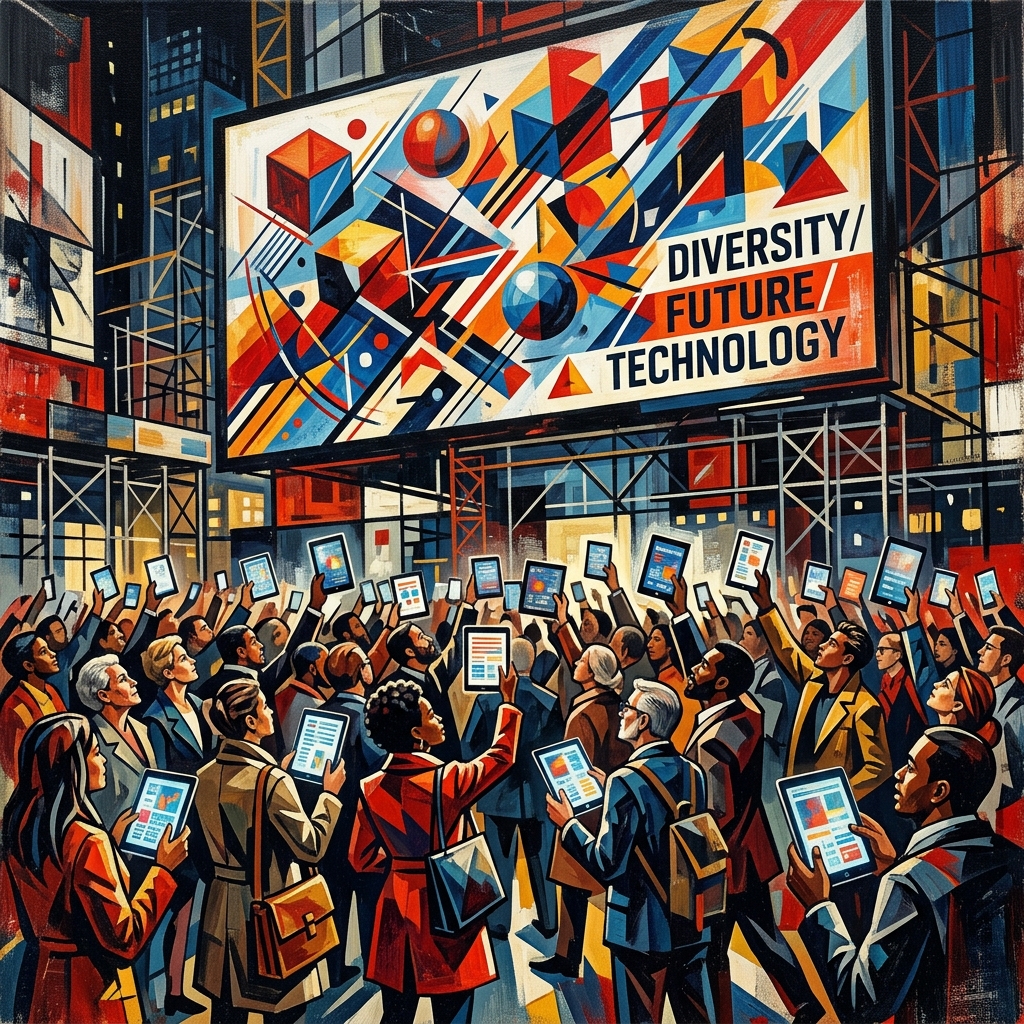
But this shift threatens those who benefit from the old scarcity model. The pushback we see isn't really about aesthetics; it's about control. When anyone can create high-quality art, the value of the 'artist' as a special class begins to erode. The gatekeepers are terrified of a world where they no longer hold the keys to the gallery. They hide behind arguments of 'soul' and 'authenticity', but what they are really defending is their monopoly on cultural value. They claim that AI art is 'soulless' because it lacks the physical labor they are used to valuing, ignoring the intellectual labor of conceptualization and direction.
We are entering an era where the idea is king, not the execution technique. This is a return to the true essence of creativity, where the vision is what matters most. In the past, many brilliant ideas were lost because the creator lacked the technical skill to realize them. AI acts as a bridge, allowing the imagination to bypass the limitations of the hand. It is a powerful equalizer, giving voice to the marginalized and challenging the hegemony of the art establishment. It allows for a proliferation of styles and voices that were previously silenced by the narrow definitions of the mainstream art world.
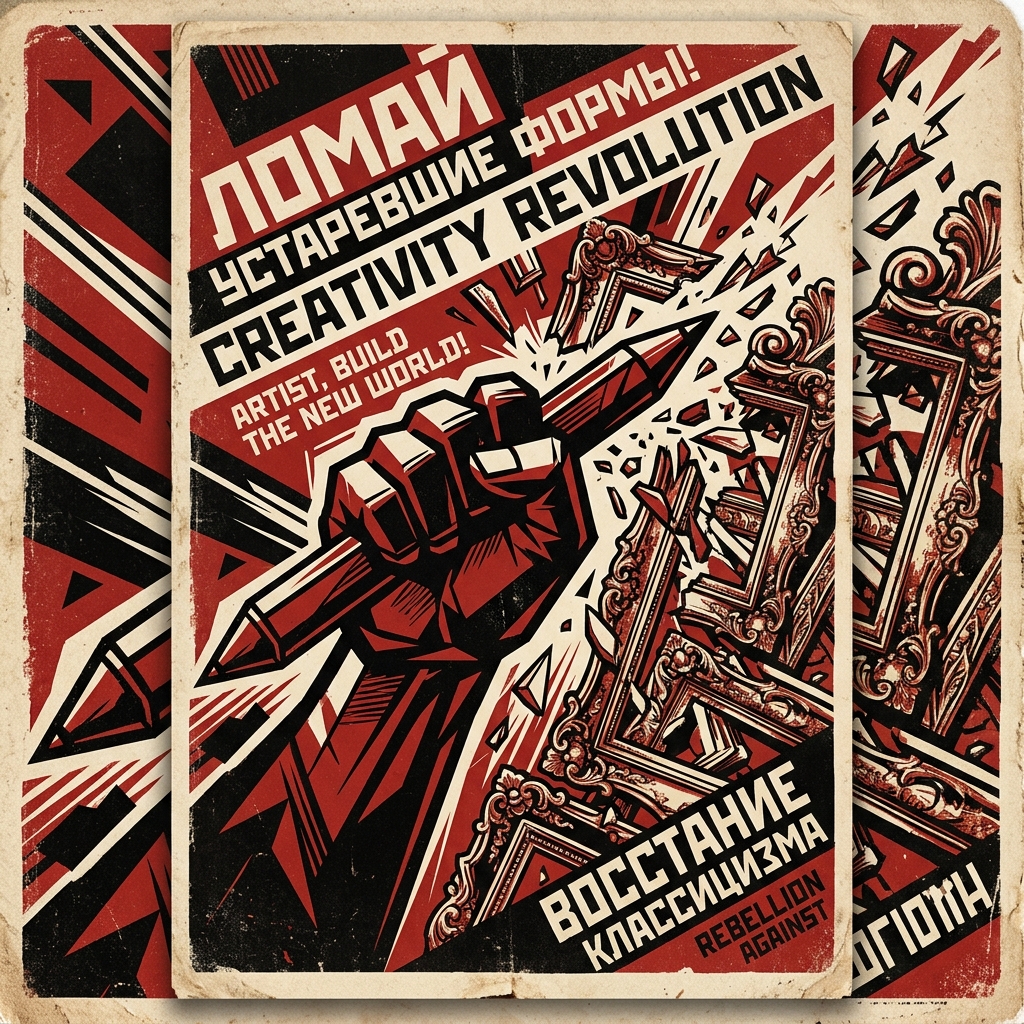
The constructivist movement of the early 20th century sought to put art at the service of the people, to make it part of everyday life rather than a commodity for the elite. They believed in art as a force for social change, not a decoration for the wealthy. Generative AI is the realization of that dream on a global scale. It is a revolution that cannot be stopped by the complaints of a few threatened institutions. We must embrace this new era of abundant creativity and build a new cultural landscape where art is truly for everyone.
This democratization will lead to a new kind of folk art, a visual language created by the people for the people. It will challenge the notion that art must be rare to be valuable. In a world flooded with imagery, the value will shift from the object itself to the conversation it sparks and the community it builds. We are moving from a culture of consumption to a culture of creation, and that is a future worth fighting for. There will be noise, yes, and much of what is produced will be derivative. But within that flood of expression will be voices of raw genius that would never have been heard otherwise.